September 18, 2026
A driveway is more than a practical surface for vehicles. It occupies a noticeable portion of many residential properties and often shapes visitors' first impression as they approach a home. While functionality remains essential, thoughtful landscaping and hardscaping choices can transform this area into an attractive part of the overall exterior design.
Homeowners can use decorative stone in a variety of ways around driveways, from defining borders to connecting the surface visually with gardens, walkways, and architectural details. Stone is available in numerous textures, shapes, and natural tones, making it adaptable to both traditional and contemporary properties.
Exterior improvements may also contribute to the overall perception and marketability of a home. According to Clever, improvements to a driveway can potentially increase a home’s value by five to 10%. While decorative stone is only part of a broader exterior improvement strategy, its ability to improve presentation and define important landscape features can make it a valuable consideration for homeowners planning property updates.
Create More Defined Borders
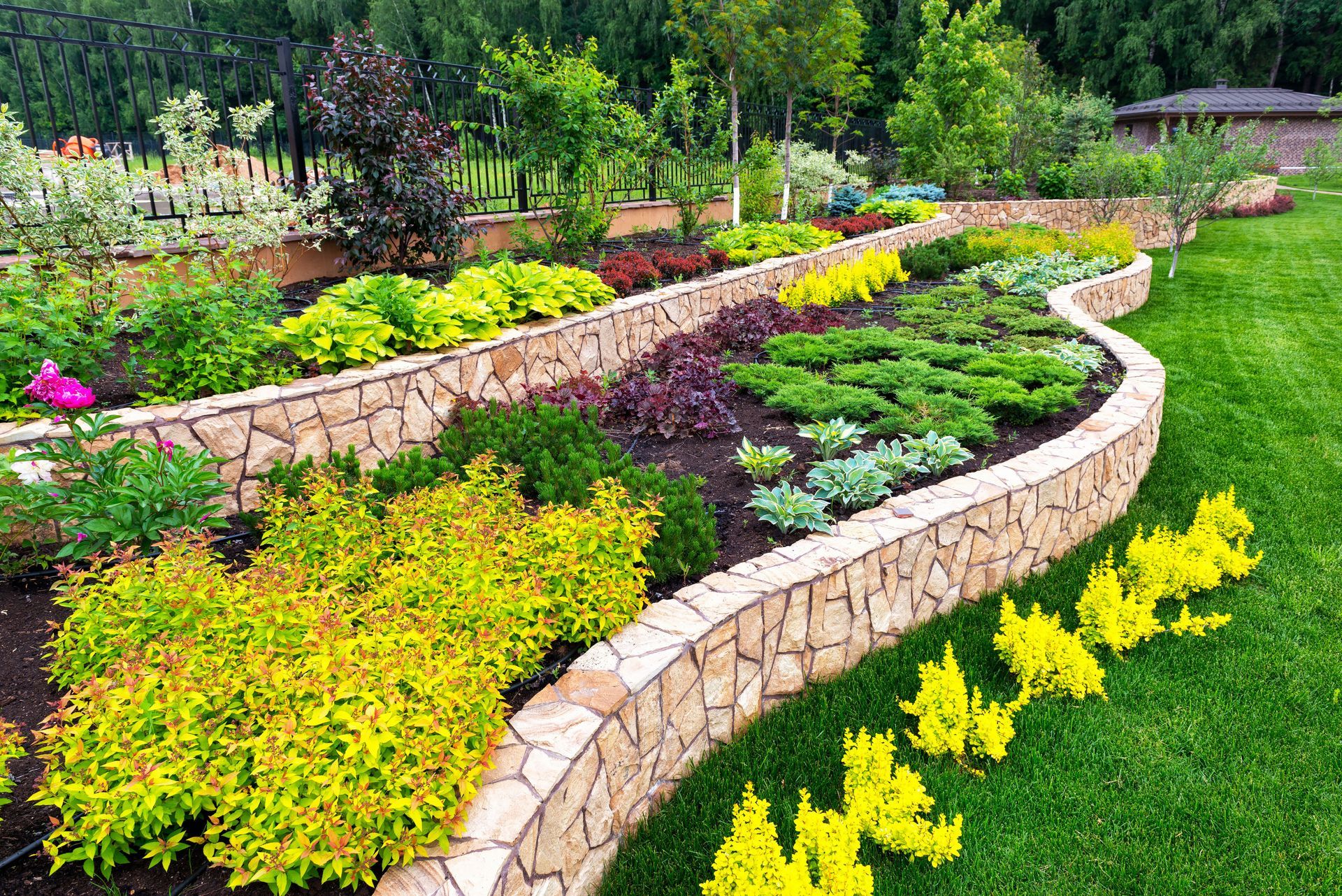
Decorative stone can establish a clear visual boundary between a driveway and the surrounding lawn, planting beds, or other landscape features. Without defined edges, paved surfaces sometimes appear to blend abruptly into nearby grass or soil. A carefully designed stone border creates separation and gives the entire area a more deliberate, finished appearance.
This type of definition can be particularly useful around driveways that extend alongside landscaped areas. Stone can provide a transition between the hard surface and softer elements such as shrubs, flowers, ornamental grasses, and ground cover. Rather than allowing each feature to appear independent, the border creates a visual connection that helps the landscape feel cohesive.
Create More Visual Contrast
Contrast is an important component of exterior design because it prevents large surfaces from appearing flat or monotonous. Decorative stone can introduce changes in texture and tone around paved areas, helping break up expansive sections of concrete, asphalt, or similar materials. This contrast can make the driveway feel integrated into the landscape rather than functioning only as a utilitarian feature.
For example, lighter stone can stand out against a darker surface, while deeper natural tones can define pale paving materials. The objective does not have to be dramatic contrast. Subtle variations can be equally effective when the goal is to create a refined, understated exterior.
This approach works especially well for driveways surrounded by limited landscaping. Even when there is not enough space for extensive planting beds, a decorative stone accent can introduce texture and help distinguish the driving surface from nearby areas. The result can feel more visually balanced without requiring elaborate decorative features.
Create More Landscape Continuity
A well-designed property often includes recurring materials that visually connect different exterior areas. Decorative stone can serve this purpose by appearing near the driveway and then reappearing around walkways, planting beds, entry areas, or other hardscape features. Repetition helps create continuity and can make separate sections of the landscape feel like parts of the same design.
This can be particularly beneficial when a driveway is positioned prominently at the front of the home. If the materials around it have no relationship to the rest of the property, the area may feel visually isolated. Using complementary stone elsewhere establishes a connection between the driveway, landscaping, and architecture.
Homeowners evaluating decorative materials for driveways can consider existing exterior elements before selecting a stone. Colors found in brick, siding, roofing, retaining walls, or walkways may provide useful inspiration. A material that relates naturally to those features can create a more unified appearance while still allowing the driveway area to have its own character.
Create More Attractive Transitions
Transitions between different exterior surfaces can strongly influence how polished a landscape appears. A driveway may meet a walkway, lawn, garden bed, patio area, or entrance path, and these intersections can sometimes look abrupt. Decorative stone can soften those transitions by providing an intermediate material between contrasting surfaces.
Stone accents can also guide the eye toward important areas of the property. When decorative material continues from the edge of a driveway toward a walkway or entrance, it creates a visual path that can make the layout easier to understand. This sense of direction is especially useful when a property contains several connected outdoor areas.
Around driveways, attractive transitions can help reduce the visual dominance of the paved surface. Instead of seeing a large uninterrupted area, viewers notice a combination of materials and landscape features. This layered appearance can make the front yard feel more thoughtfully arranged while maintaining the practical access the driveway provides.
Create More Architectural Character
Decorative stone can help reinforce the architectural style of a home. Exterior materials already establish a visual language through color, shape, texture, and proportion. Choosing stone that complements those elements can extend that character into the surrounding landscape and driveway area.
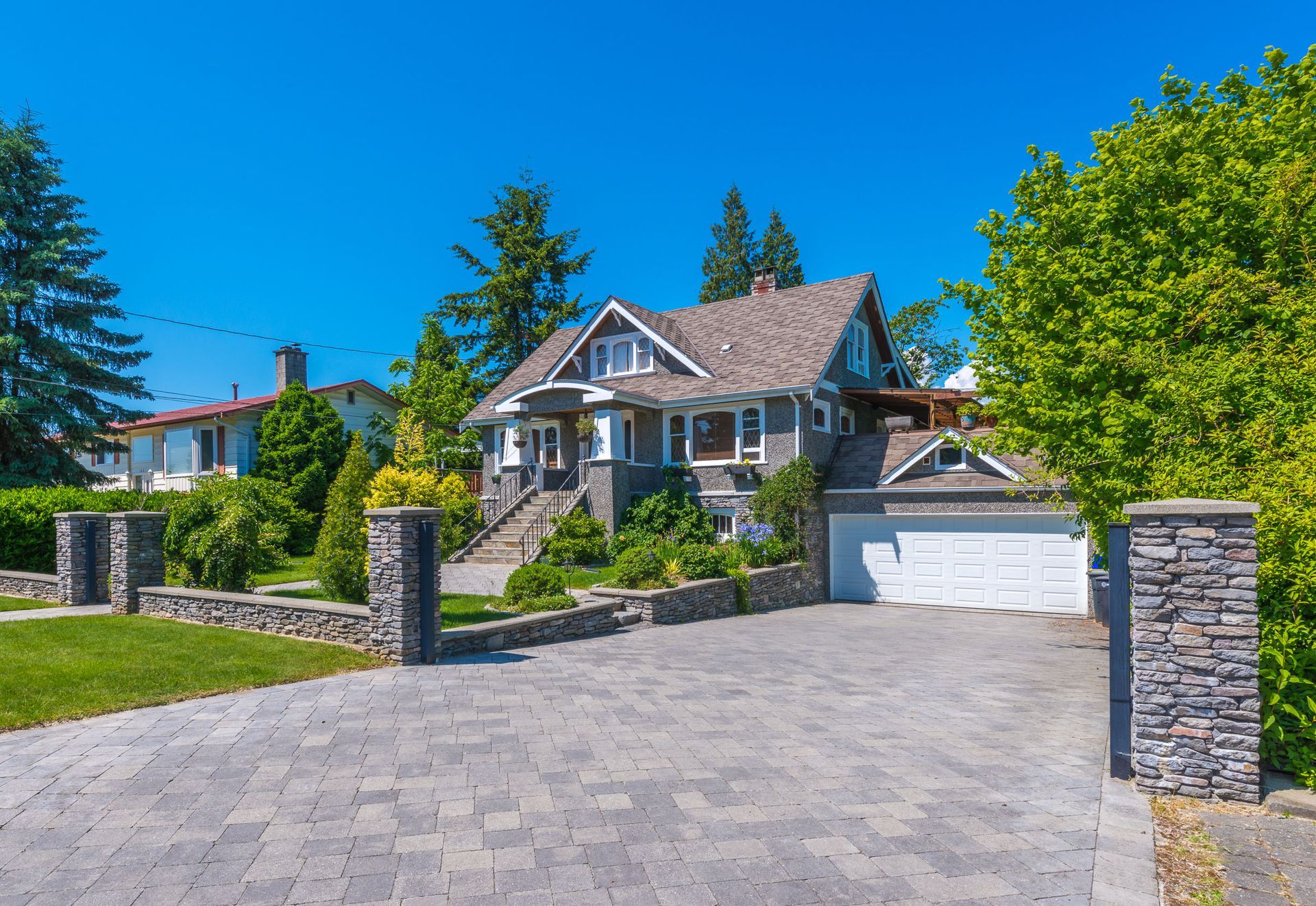
A home featuring natural materials may benefit from stone with visible texture and organic variation. A property with cleaner architectural lines may pair more naturally with uniform stone and restrained color combinations. The goal is not necessarily to match every exterior material exactly. Instead, decorative stone can echo certain tones or textures so that the landscape feels connected to the structure.
This relationship can be particularly noticeable with driveways located close to the home or garage. Because these surfaces occupy the same visual field as the building, surrounding materials can influence whether the exterior appears coordinated. Thoughtfully selected stone can help bridge the visual gap between architecture and pavement.
Create More Appealing Focal Points
Not every part of a driveway needs equal visual emphasis. Decorative stone can be used to highlight selected areas and create focal points that draw attention to landscaping, entry features, or changes in the property’s layout. This approach can make the exterior more interesting while preventing decorative elements from overwhelming the practical surface.
Stone may visually emphasize planting areas near an entrance or create a distinctive transition where a walkway connects with the driveway. It can also frame landscape features positioned near the property’s approach. These accents help direct attention toward intentional design elements rather than leaving the paved surface as the dominant feature.
Focal points can be especially helpful around larger driveways, where broad paved areas may otherwise appear visually heavy. Introducing stone near selected landscape features adds variation and gives the eye other elements to follow. When those materials coordinate with the rest of the property, the result can feel structured and balanced rather than overly decorative.
Create More Lasting Curb Appeal
Curb appeal depends on how the exterior works as a complete composition. The driveway, lawn, planting areas, walkways, architecture, and decorative materials all contribute to the way a property is perceived from the street. Decorative stone can support that composition by adding texture and creating cleaner visual relationships between different areas.
Natural stone characteristics can also add depth to landscapes. Variations in surface texture and tone prevent exterior spaces from feeling overly uniform, while carefully chosen materials can remain visually relevant even as surrounding plants mature or other exterior features change. This makes stone useful for homeowners who want landscape details that complement a broad range of design choices.
Enhancing driveways with decorative stone does not require making the driveway itself overly elaborate. Often, the strongest effect comes from using stone to support the surrounding landscape. Borders, transitions, coordinated materials, and focal areas can collectively make the property appear more cohesive while preserving the driveway’s functional role.
Decorative stone offers homeowners a flexible way to improve how a driveway relates to the rest of the property. By adding definition, contrast, continuity, smoother transitions, architectural character, focal points, and curb appeal, stone can turn an otherwise purely functional area into an integrated part of the exterior design.
For homeowners considering updates to driveways and the surrounding landscape, professional property maintenance can help ensure exterior features work together effectively. At S&S Property Maintenance LLC, we can help evaluate your property’s needs, discuss suitable options, and provide our experience to support an attractive and functional exterior. Contact us to learn more about how we can assist with your next property improvement project.